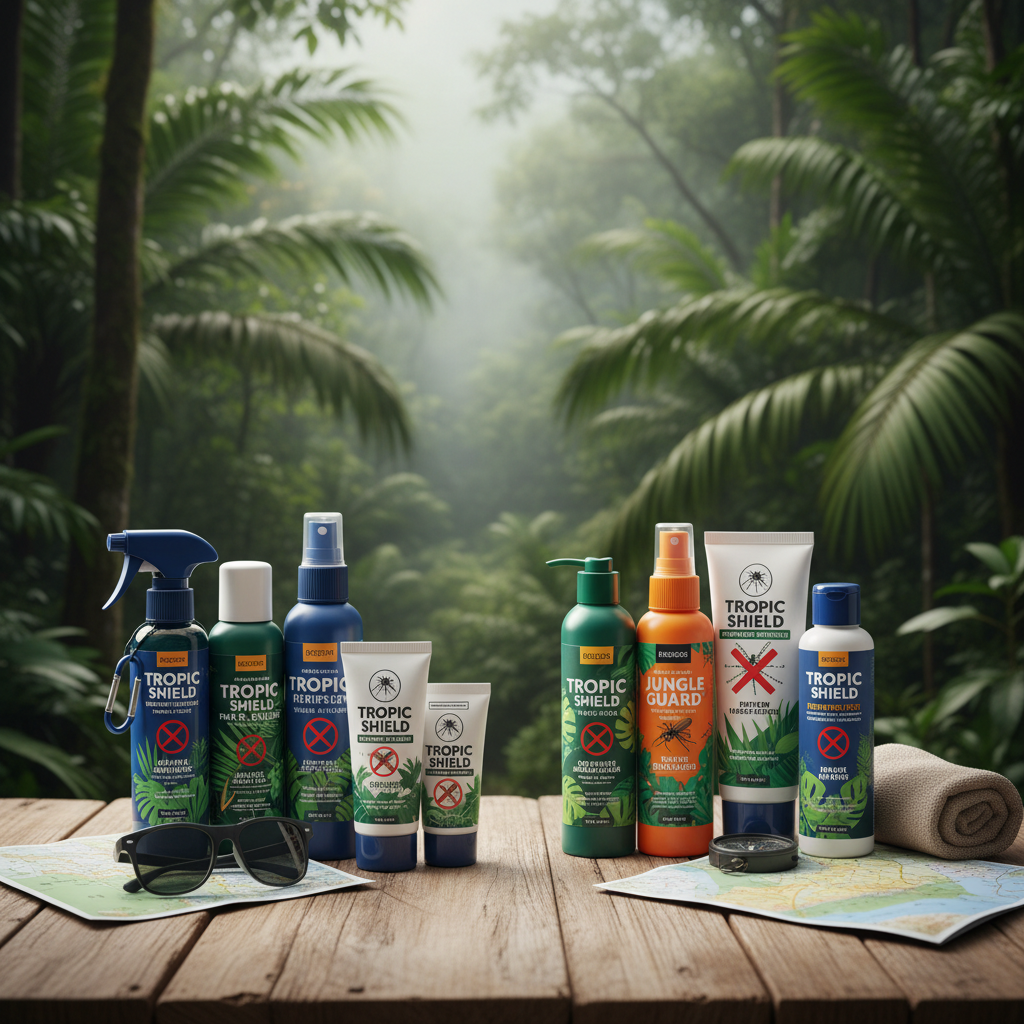
Traveling to tropical destinations offers unparalleled experiences, from lush rainforests to pristine beaches. However, these vibrant environments also present a significant health consideration: mosquitoes. In tropical climates, mosquitoes are not merely a nuisance; they are vectors for serious diseases that can severely impact your health and travel plans. Understanding how to effectively protect yourself is paramount for a safe and enjoyable journey. This comprehensive guide will delve into the specifics of mosquito repellents, focusing on the most effective options for high-risk tropical areas, and outlining best practices for their use.
Understanding Mosquito-Borne Diseases in Tropical Regions
Tropical regions are hotbeds for several mosquito-borne diseases, each posing unique risks to travelers. Awareness of these diseases is the first step in effective prevention.
- Malaria: Caused by Plasmodium parasites transmitted by Anopheles mosquitoes, malaria is prevalent in large parts of Africa, Asia, and Central and South America. Symptoms include fever, chills, and flu-like illness, and it can be fatal if not treated promptly. In 2022, there were an estimated 249 million cases of malaria worldwide, resulting in 608,000 deaths.
- Dengue Fever: Transmitted by Aedes aegypti and Aedes albopictus mosquitoes, dengue is common in urban and semi-urban areas throughout the tropics and subtropics. It causes severe flu-like illness, and severe dengue can lead to shock, organ failure, and death. The global incidence of dengue has grown dramatically, with an estimated 100-400 million infections occurring each year.
- Zika Virus: Also transmitted by Aedes mosquitoes, Zika gained global attention due to its link with microcephaly and other congenital abnormalities in infants born to infected mothers. It is present in many tropical regions, including parts of the Americas, Africa, and Asia.
- Chikungunya: Another Aedes-borne disease, Chikungunya causes severe joint pain, fever, and rash. While rarely fatal, the joint pain can be debilitating and long-lasting.
- Yellow Fever: Found in tropical and subtropical areas of Africa and South America, Yellow Fever is a viral hemorrhagic disease transmitted by Aedes and Haemagogus mosquitoes. Vaccination is highly recommended or even required for travel to certain endemic areas.
The presence of these diseases underscores the critical need for robust mosquito protection strategies when traveling to high-risk tropical destinations.
Why Standard Repellents Are Insufficient for Tropics
Many common mosquito repellents found in general stores are formulated for temperate climates, where mosquito populations and disease risks are typically lower. These products often contain lower concentrations of active ingredients, which may offer adequate protection for a backyard barbecue but fall short in the face of aggressive, disease-carrying mosquitoes found in tropical environments.
In tropical settings, mosquitoes are often more numerous, active for longer periods, and carry more dangerous pathogens. The Aedes mosquitoes, for instance, are daytime biters, while Anopheles mosquitoes are most active between dusk and dawn. This constant threat necessitates a repellent that provides prolonged and highly effective protection. Repellents with insufficient concentrations of active ingredients will require frequent reapplication, increasing the risk of bites during lapses in protection, and ultimately failing to provide the robust defense needed against diseases like malaria or dengue.
Essential Active Ingredients for Tropical Protection
For effective protection in tropical climates, selecting repellents with specific active ingredients and appropriate concentrations is crucial. The most recommended and thoroughly tested options include DEET, Picaridin, and Oil of Lemon Eucalyptus (OLE).
DEET (N,N-Diethyl-meta-toluamide)
DEET is the gold standard for mosquito repellents and has been used for over 60 years. It works by interfering with mosquitoes' ability to smell humans.
- Recommended Concentration: For tropical climates and high-risk areas, the Centers for Disease Control and Prevention (CDC) recommends repellents containing 30-50% DEET. This concentration provides several hours of protection, typically up to 6-8 hours, depending on the exact percentage and environmental factors.
- Effectiveness: DEET is highly effective against a wide range of biting insects, including mosquitoes (Anopheles, Aedes, Culex), ticks, fleas, and chiggers. It is considered safe for use in adults and children over two months of age when used as directed.
- Considerations: While effective, DEET can damage synthetic fabrics, plastics, and painted surfaces. It has a distinctive odor and can feel oily on the skin.
Picaridin (KBR 3023, Icaridin)
Picaridin is a synthetic compound modeled after a natural compound found in pepper plants. It is a newer alternative to DEET that offers comparable protection.
- Recommended Concentration: For tropical travel, a concentration of 20% Picaridin is recommended. This concentration typically provides 6-8 hours of protection.
- Effectiveness: Picaridin is effective against mosquitoes (including Aedes and Anopheles), ticks, and flies. It is often preferred by users for its lighter feel, lack of odor, and non-greasy texture. It also does not damage plastics or synthetic materials.
- Considerations: Picaridin is generally well-tolerated and is a good choice for those who find DEET irritating or prefer a less noticeable repellent.
Oil of Lemon Eucalyptus (OLE) / PMD (para-Menthane-3,8-diol)
Oil of Lemon Eucalyptus (OLE) is a plant-based repellent derived from the lemon eucalyptus tree. The active ingredient responsible for its repellent properties is para-Menthane-3,8-diol (PMD).
- Recommended Concentration: Products containing 30% OLE (providing 20-26% PMD) are recommended for tropical use. This concentration can provide up to 6 hours of protection, comparable to lower concentrations of DEET.
- Effectiveness: OLE/PMD is effective against mosquitoes and some ticks. It is a good natural alternative for those seeking non-synthetic options, provided the concentration of PMD is sufficient.
- Considerations: OLE is not recommended for children under three years of age. Its protection duration can be slightly shorter than high-concentration DEET or Picaridin, necessitating more frequent reapplication. It's important not to confuse OLE with pure lemon eucalyptus essential oil, which is not registered as an insect repellent and offers minimal protection.
Fact: In tropical climates, mosquito repellents with 30-50% DEET or 20% Picaridin are recommended for effective protection against disease-carrying mosquitoes.
Application Best Practices for High-Risk Areas
Proper application of mosquito repellent is as crucial as choosing the right product. Incorrect application can significantly reduce its effectiveness.
- Apply to Exposed Skin: Repellent should be applied to all exposed skin. Avoid applying it under clothing, as it is not effective there.
- Use After Sunscreen: If using both sunscreen and repellent, apply sunscreen first, allow it to absorb, and then apply repellent. Applying repellent first can reduce sunscreen's efficacy.
- Even Coverage: Ensure even and thorough coverage. Mosquitoes can find and bite untreated spots. Do not spray directly onto the face; instead, spray onto your hands and then apply to the face, avoiding eyes and mouth.
- Reapplication: Reapply repellent according to the product's instructions, or more frequently if you are swimming, sweating heavily, or after vigorous activity. In tropical humidity and heat, sweat can quickly diminish repellent effectiveness.
- Children's Application: When applying to children, an adult should spray the repellent onto their own hands and then rub it onto the child's exposed skin. Avoid applying repellent to children's hands, as they may put their hands in their mouths. Do not use OLE on children under three years of age.
- Avoid Wounds: Do not apply repellent over cuts, wounds, or irritated skin.
- Wash Off: Once you are no longer exposed to mosquitoes, wash treated skin with soap and water.
Combining Repellents with Other Protective Measures
While effective mosquito repellents are a cornerstone of protection, they should be part of a broader strategy, especially in high-risk tropical destinations.
- Protective Clothing: Wear long-sleeved shirts, long pants, and socks, especially during peak mosquito biting hours (dusk and dawn for Anopheles; daytime for Aedes). Light-colored clothing is often preferred as it makes it easier to spot mosquitoes. Clothing can also be treated with permethrin, an insecticide that kills mosquitoes on contact. This treatment can last for several washes and provides an additional layer of defense.
- Mosquito Nets: When sleeping in accommodations that are not fully screened or air-conditioned, use a mosquito net. Ensure the net is intact, tucked under the mattress, and ideally treated with permethrin. This is particularly vital for preventing malaria.
- Stay in Screened or Air-Conditioned Rooms: Whenever possible, choose accommodations with well-maintained screens on windows and doors, or those with air conditioning. Air conditioning often reduces mosquito activity.
- Avoid Peak Biting Times: If feasible, limit outdoor activities during peak mosquito biting hours. For Aedes mosquitoes (dengue, Zika), this is often during the day; for Anopheles (malaria), it's typically from dusk to dawn.
- Eliminate Breeding Sites: If staying in a fixed location for an extended period, help eliminate mosquito breeding sites around your accommodation. This includes emptying standing water from containers like flower pots, buckets, and old tires. Aedes mosquitoes can breed in very small amounts of water.
- Pre-Travel Consultations: Consult a travel health clinic or your doctor several weeks before your trip. They can provide specific recommendations for vaccinations (e.g., Yellow Fever) and prophylactic medications (e.g., anti-malarials) tailored to your destination and itinerary.
By integrating these strategies, you create a multi-layered defense against mosquito bites, significantly reducing your risk of contracting mosquito-borne diseases in tropical environments.
Data Table: Tropical Repellent Efficacy: Active Ingredient & Disease Protection
| Active Ingredient | Recommended Concentration (Tropical) | Protection Duration (Approx.) | Primary Mosquitoes Repelled | Key Diseases Protected Against | Pros | Cons |
|---|---|---|---|---|---|---|
| DEET | 30-50% | 6-8 hours | Anopheles, Aedes, Culex | Malaria, Dengue, Zika, Chikungunya, Yellow Fever | Highly effective, broad spectrum | Can damage plastics/synthetics, oily feel, distinct odor |
| Picaridin | 20% | 6-8 hours | Anopheles, Aedes, Culex | Malaria, Dengue, Zika, Chikungunya, Yellow Fever | Non-greasy, odorless, doesn't damage materials | May need more frequent reapplication in extreme conditions |
| Oil of Lemon Eucalyptus (OLE)/PMD | 30% OLE (20-26% PMD) | Up to 6 hours | Anopheles, Aedes | Malaria, Dengue, Zika, Chikungunya | Plant-based alternative, pleasant scent | Not for children under 3, may require more frequent reapplication |
Key Takeaways
- Tropical climates often harbor mosquitoes that transmit serious diseases like malaria, dengue, and Zika, posing a significant health risk to travelers.
- High concentrations of DEET (30-50%) or Picaridin (20%) are recommended for tropical travel to ensure robust and long-lasting protection against disease-carrying mosquitoes.
- Oil of Lemon Eucalyptus (OLE) with 20-26% PMD is a plant-based alternative offering comparable protection to lower concentrations of DEET, suitable for those seeking non-synthetic options, but not for children under three.
- Apply repellent generously and frequently, ensuring even coverage on all exposed skin, especially after swimming or heavy sweating, to maintain continuous protection.
- Always use repellents in conjunction with other protective measures, such as wearing protective clothing, sleeping under permethrin-treated mosquito nets, and staying in screened accommodations when in tropical areas, to create a comprehensive defense.