Key Takeaways:
- Greenhouses provide ideal warm, humid conditions for mosquito breeding, posing risks to both plants and workers.
- Integrated Pest Management (IPM) combines multiple strategies for effective and plant-safe mosquito control in greenhouses.
- Biological controls like predatory insects or mosquito larvae-eating fish are effective and chemical-free options.
- Proper ventilation, screening, and sealing entry points are crucial physical barriers.
- Always use plant-safe and approved insecticides or botanical repellents, applying them carefully to avoid plant damage.
Mosquito Control for Greenhouses: Protecting Delicate Plants
Greenhouses offer a controlled environment perfect for cultivating a wide array of plants, from delicate orchids to robust vegetables. However, these very conditions—warmth, humidity, and often standing water—also create an inviting habitat for an unwelcome guest: mosquitoes. An infestation can quickly become a nuisance, posing health risks to workers and potentially stressing or damaging sensitive plants. Effective mosquito control in greenhouses requires methods that are effective against mosquitoes but safe for sensitive plants and beneficial insects. This comprehensive guide explores various strategies to maintain a mosquito-free greenhouse, ensuring a healthy environment for both your plants and personnel.
Understanding Greenhouse Mosquito Challenges
Mosquitoes thrive in environments with stagnant water, which is often abundant in greenhouses due to irrigation systems, plant saucers, and humid conditions. The enclosed nature of a greenhouse can also trap mosquitoes, allowing them to multiply rapidly without natural predators to keep their populations in check. Beyond the irritating bites, mosquitoes can transmit diseases to humans, such as West Nile Virus, Zika, and Dengue Fever, posing a significant health concern for anyone working in or visiting the greenhouse. While mosquitoes are not typically direct plant pests in the same way aphids or spider mites are, their presence can cause stress to plants through constant disturbance, and their larvae can sometimes compete for resources in aquatic plant systems. Furthermore, the constant buzzing and biting can make working conditions uncomfortable and unproductive.
Integrated Pest Management (IPM) for Greenhouse Mosquitoes
Integrated Pest Management (IPM) is a holistic and sustainable approach to pest control that combines multiple strategies to manage pests while minimizing risks to human health and the environment. For greenhouse mosquito prevention, IPM is particularly crucial because it emphasizes long-term prevention and uses the least toxic methods first.
Steps for an Effective IPM Program:
- Inspect Regularly: Routinely check your greenhouse for standing water sources, even small puddles, and potential entry points.
- Identify Pests: Confirm that the pests are indeed mosquitoes and identify their breeding sites.
- Implement Prevention: Focus on eliminating breeding grounds and blocking entry.
- Utilize Biological Controls: Introduce natural enemies of mosquitoes.
- Apply Targeted Treatments: Use chemical or botanical controls only when necessary and in a targeted manner.
- Monitor and Adjust: Continuously monitor the effectiveness of your strategies and make adjustments as needed.
Biological Control Methods for Greenhouses
Biological control involves using natural enemies to reduce mosquito populations. This is often the preferred method in greenhouses due to its low environmental impact and safety for plants and beneficial insects.
Effective Biological Controls:
- Mosquito Larvicides (Bti): Bacillus thuringiensis israelensis (Bti) is a naturally occurring bacterium that specifically targets mosquito larvae. When larvae ingest Bti, it produces toxins that disrupt their digestive system, killing them. Bti is safe for humans, pets, plants, and other wildlife, making it an excellent choice for water features, irrigation tanks, and standing water in greenhouses. It's available in various forms, including dunks, granules, and liquids.
- Predatory Insects: While less common for direct mosquito control within a greenhouse, certain predatory insects can help manage other pests that might indirectly support mosquito breeding or simply contribute to a healthier ecosystem. Dragonflies and damselflies, for example, prey on adult mosquitoes, but introducing them into an enclosed greenhouse environment can be challenging.
- Mosquito Larvae-Eating Fish: For larger water features or ponds within a greenhouse, introducing mosquito fish (Gambusia affinis) or other small, larvivorous fish can be highly effective. These fish actively consume mosquito larvae, significantly reducing their numbers. Ensure that any fish introduced are compatible with your existing aquatic plants and ecosystem.
Physical Barriers and Exclusion Techniques
Preventing mosquitoes from entering and breeding in the first place is a cornerstone of greenhouse mosquito prevention. Physical barriers are highly effective and provide a chemical-free solution.
Key Physical Barrier Strategies:
- Screening Vents and Doors: Install fine mesh screens on all greenhouse vents, windows, and doors. The mesh size should be small enough (e.g., 16-20 mesh) to prevent mosquitoes from passing through while still allowing adequate airflow.
- Sealing Gaps and Cracks: Thoroughly inspect the greenhouse structure for any gaps, cracks, or unsealed openings in walls, roofs, or foundations. Seal these entry points using appropriate materials like caulk, weatherstripping, or sealant.
- Proper Ventilation: Ensure adequate air circulation within the greenhouse. Good ventilation helps to reduce humidity levels and can make the environment less appealing to mosquitoes. It also helps to dry out any accidental puddles more quickly.
- Eliminate Standing Water: This is perhaps the most critical step. Regularly empty plant saucers, trays, and any containers that collect water. Repair leaky pipes, hoses, or irrigation systems immediately. Ensure proper drainage in all areas of the greenhouse to prevent water accumulation. Check under benches and in corners for hidden water sources.
- Water Management: If you use water storage tanks or rain barrels, ensure they are tightly covered with mosquito-proof screens. Regularly clean and flush irrigation lines to prevent water stagnation.
Safe Chemical and Botanical Solutions for Greenhouses
When non-chemical methods are insufficient, targeted application of safe chemical or botanical solutions may be necessary. Always prioritize products labeled as safe for use in greenhouses and around plants.
Options for Targeted Treatment:
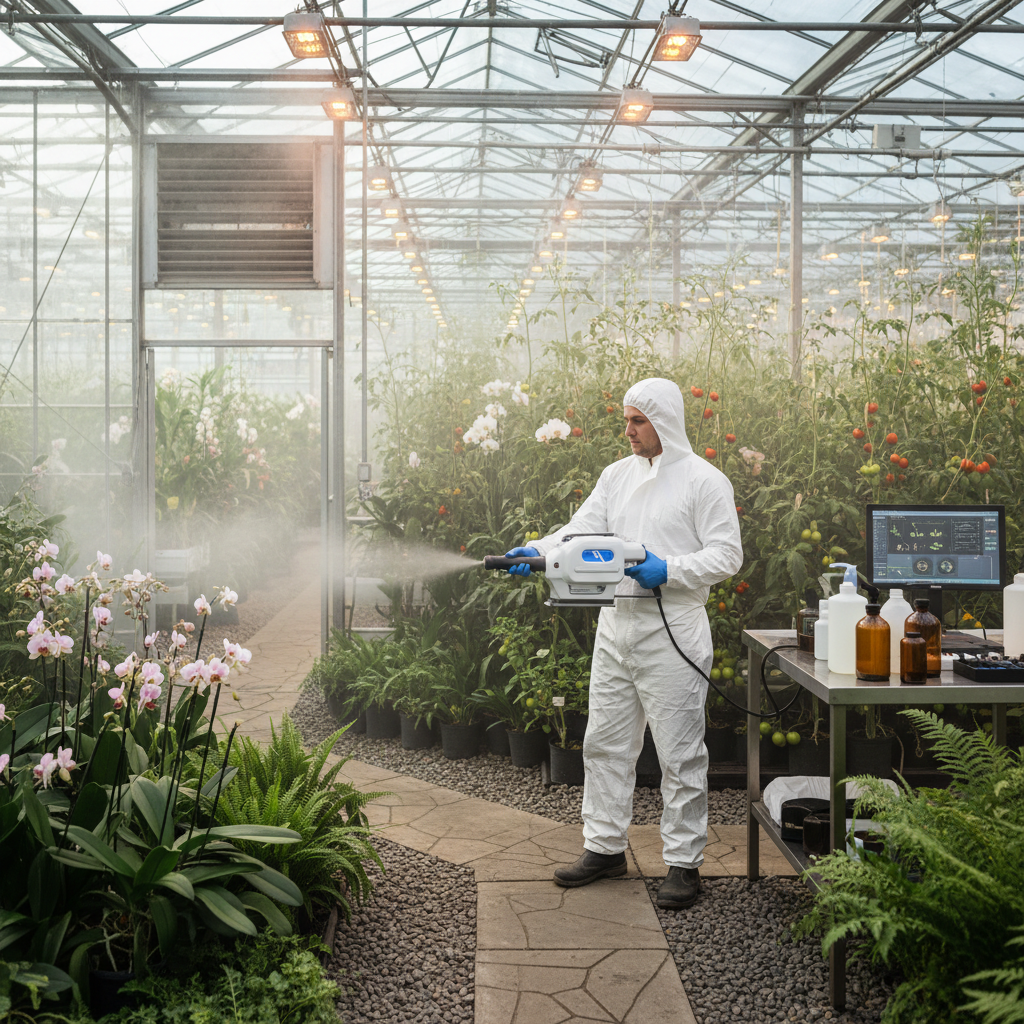
- Pyrethrin-based Insecticides: Pyrethrins are natural insecticides derived from chrysanthemum flowers. They offer a quick knockdown effect on adult mosquitoes. Synthetic versions, pyrethroids, are also available. When using these, ensure the product is labeled for greenhouse use and follow all instructions carefully to avoid harming sensitive plants or beneficial insects. Apply as a fog or mist when plants are not actively flowering to protect pollinators.
- Neem Oil: Neem oil is a natural botanical insecticide that acts as a repellent, antifeedant, and growth regulator. It can disrupt the mosquito life cycle and deter adults. Dilute neem oil according to product instructions and apply as a foliar spray. Test on a small area first to ensure plant compatibility.
- Essential Oil Repellents: Certain essential oils, such as citronella, lemon eucalyptus, peppermint, and lavender, have mosquito-repelling properties. These can be diffused in the greenhouse or used in homemade sprays, but their effectiveness is often short-lived and requires frequent reapplication. Always use diluted forms to avoid plant damage.
- Insect Growth Regulators (IGRs): IGRs interfere with the mosquito's development, preventing larvae from maturing into adults. They are generally considered low-toxicity to mammals and birds and can be effective when applied to breeding sites.
Monitoring and Prevention Strategies
Ongoing monitoring is essential to detect mosquito activity early and prevent infestations from taking hold. Prevention is always more effective and less resource-intensive than eradication.
Proactive Monitoring and Prevention:
- Regular Inspections: Make daily or weekly rounds to check for standing water, mosquito larvae (often visible as "wigglers" in water), and adult mosquitoes. Pay close attention to areas around irrigation systems, water features, and potted plants.
- Sticky Traps: Hang yellow sticky traps throughout the greenhouse. While primarily used for other flying pests, they can also catch adult mosquitoes and help you gauge their presence and population levels.
- UV Light Traps: Consider using UV light traps to attract and capture adult mosquitoes. Place them strategically away from sensitive plants to avoid attracting other beneficial insects unnecessarily.
- Maintain Good Housekeeping: Keep the greenhouse clean and tidy. Remove plant debris, empty unused pots, and ensure all equipment is stored properly to eliminate potential hidden breeding sites.
- Educate Staff: Train all greenhouse personnel on mosquito prevention techniques, including identifying breeding sites and reporting any mosquito activity.
Maintaining a Mosquito-Free Greenhouse Environment
Achieving and maintaining a mosquito-free greenhouse is an ongoing process that requires diligence and a multi-faceted approach. By integrating the strategies outlined above, you can create a hostile environment for mosquitoes while preserving the health and vitality of your plants. Remember that consistency is key, and regular monitoring will allow you to adapt your strategies as needed. A well-managed greenhouse is not only productive but also a pleasant and safe place to work and grow.
Common Mistakes in Greenhouse Mosquito Control
Even with the best intentions, certain practices can undermine mosquito control efforts. Avoiding these common mistakes is crucial for success:
- Ignoring Small Water Sources: Overlooking tiny puddles, water in saucers, or even condensation in obscure corners. Mosquitoes can breed in surprisingly small amounts of water.
- Inconsistent Monitoring: Failing to regularly inspect for larvae or adult mosquitoes, leading to undetected population growth.
- Over-reliance on One Method: Depending solely on chemical sprays or only eliminating standing water without considering other IPM components. A comprehensive approach is always more effective.
- Using Non-Targeted Pesticides: Applying broad-spectrum insecticides that harm beneficial insects or sensitive plants, disrupting the greenhouse ecosystem.
- Poor Ventilation: Inadequate airflow can increase humidity, creating a more favorable environment for mosquitoes and slowing the drying of surfaces.
- Neglecting Structure Maintenance: Not sealing gaps or repairing screens, allowing continuous re-entry of mosquitoes from outside.
- Improper Use of Biologicals: Applying Bti or introducing fish incorrectly, or not in sufficient quantities, leading to ineffective control.
By understanding and avoiding these pitfalls, you can significantly enhance your greenhouse mosquito control program.
Greenhouse Mosquito Control Methods: Pros & Cons
| Method | Pros | Cons |
|---|---|---|
| Eliminating Standing Water | Highly effective, chemical-free, targets breeding source | Requires constant vigilance, can be time-consuming |
| Screens & Sealing | Chemical-free, long-term barrier, prevents entry | Initial installation cost, requires maintenance, can reduce airflow |
| Bti Larvicides | Highly specific to mosquitoes, safe for plants/beneficials, effective | Requires application to water, doesn't kill adults, needs reapplication |
| Mosquito Fish | Self-sustaining in suitable water bodies, chemical-free | Only for larger water features, may not be suitable for all setups |
| Pyrethrin/Pyrethroid Sprays | Quick knockdown of adults, effective for immediate relief | Can harm beneficial insects, requires careful application, short-lived |
| Neem Oil | Natural, repellent, growth regulator, safe for many plants | Slower acting, requires reapplication, can be phytotoxic if overused |
| Essential Oil Repellents | Natural, pleasant scent, non-toxic | Short-lived effectiveness, requires frequent reapplication, mild effect |
| Good Ventilation | Reduces humidity, dries surfaces, improves plant health | May require equipment (fans), doesn't directly kill mosquitoes |